

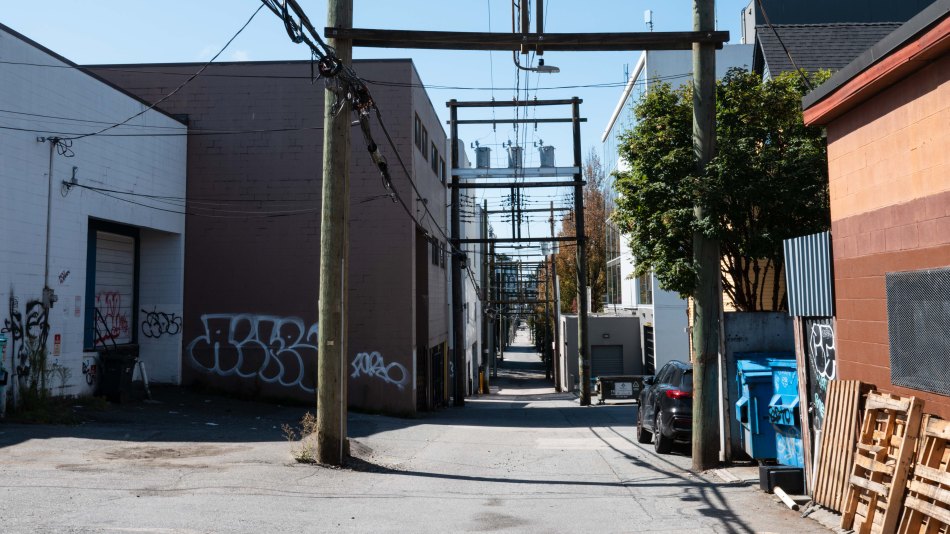
East 6th Avenue, Vancouver. © J. Ashley Nixon
Fred Herzog (1930-2019) lived his life with photography, both as a hobby and a profession in his adopted home of Vancouver, British Columbia, Canada. His images of the city’s streets, shops, and people are highly respected for their sensitive compositions, early use of colour, and historical value in depicting urban life in the 1950s and 1960s. Books such as Modern Colour (2016) and Black and White (2022) present his legacy work.
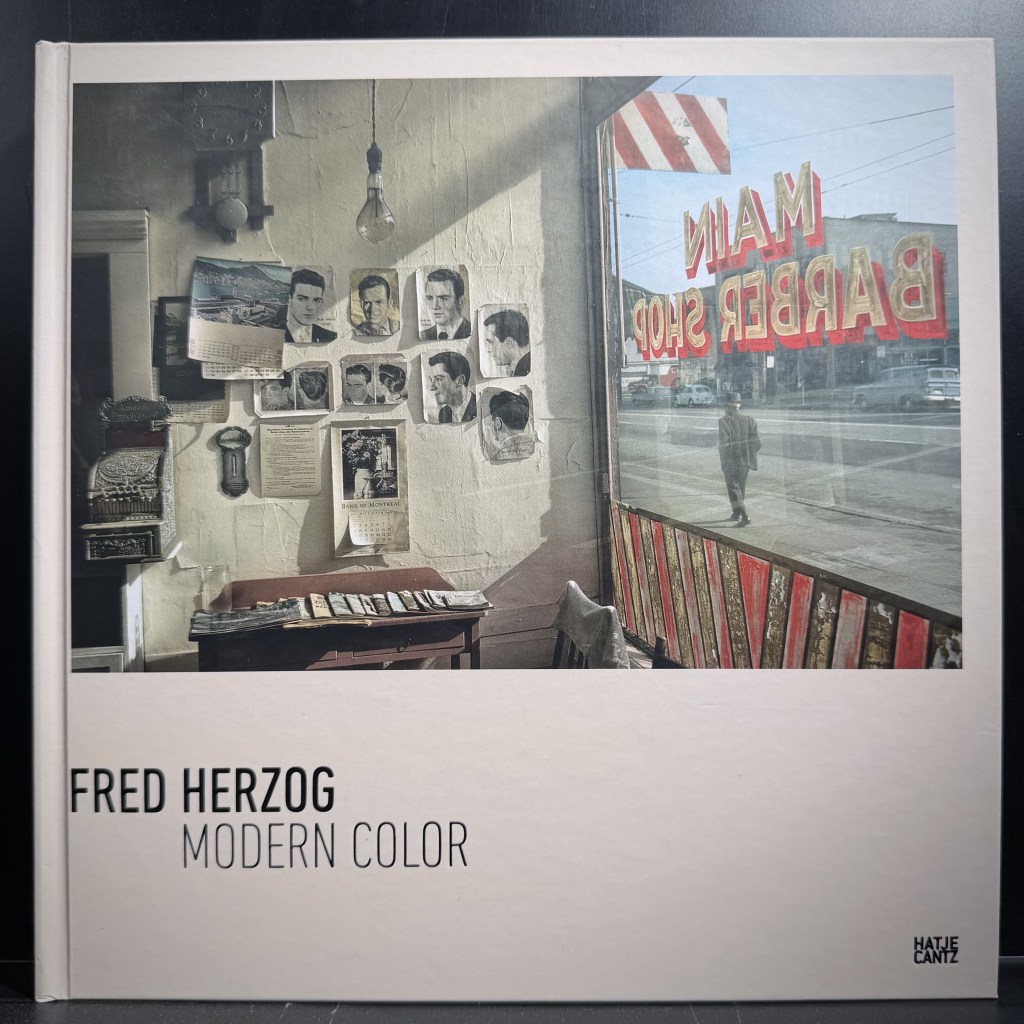
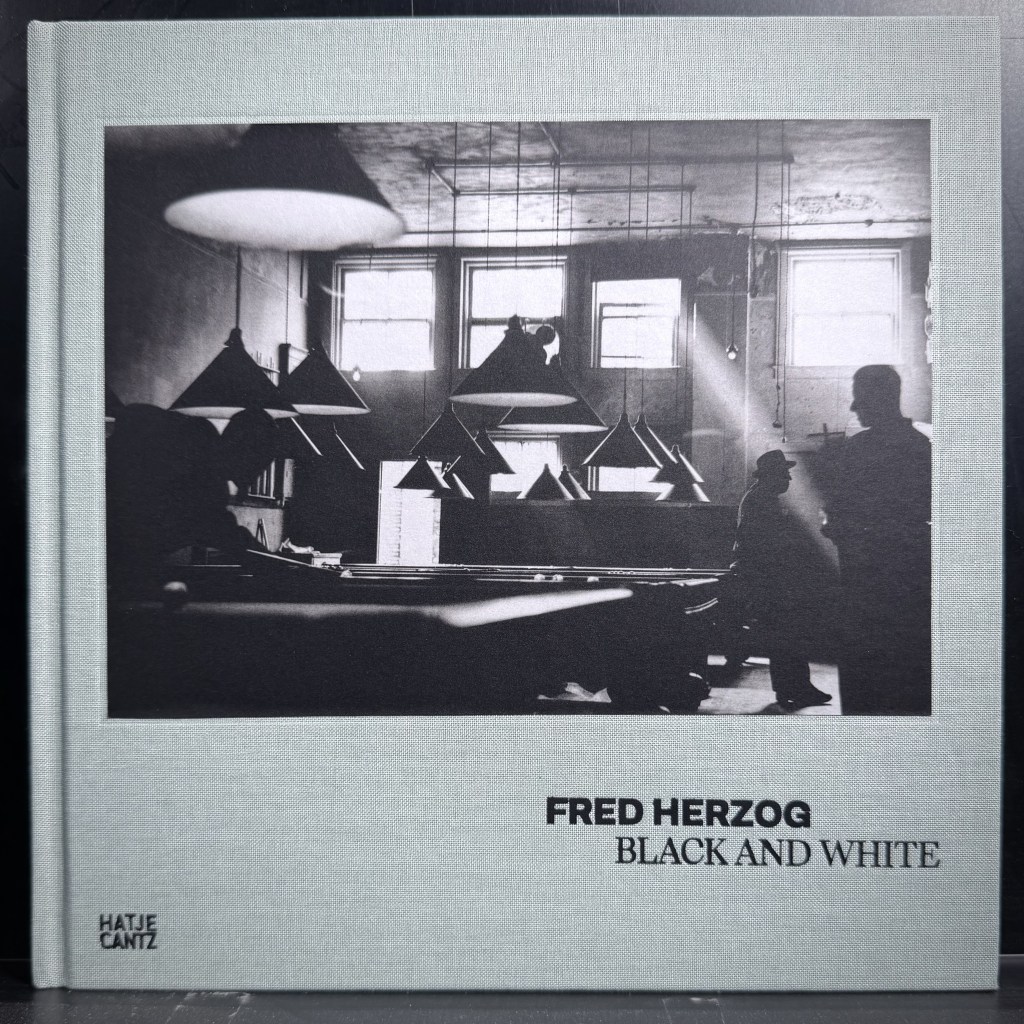
Exhibitions are held, for example, those hosted or managed by Equinox Gallery, the exclusive representative of the Estate of Fred Herzog. Some of his photographs are permanently displayed in the Vancouver Art Gallery. Another place to see his work also ties in with his professional life as a medical photographer: Vancouver General Hospital (VGH).
Waiting with street photography
The VGH Cardiodiagnostic Centre is on the ground floor of the Gordon and Leslie Diamond Health Care Centre, on the corner of Oak Street and West 12th Avenue.
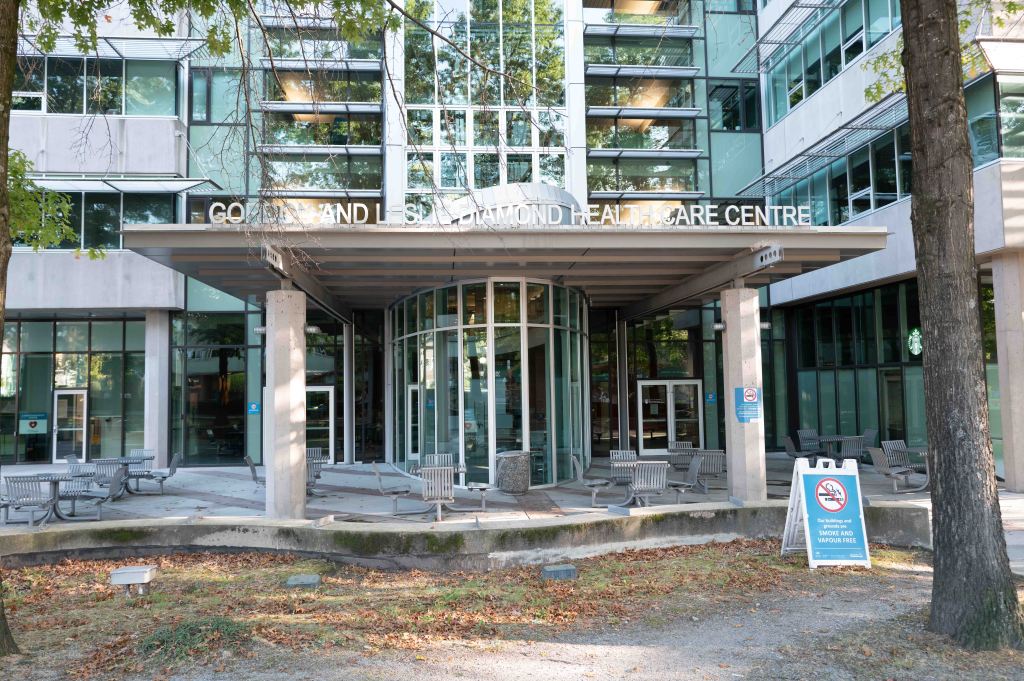
Cardiodiagnostic Centre, Vancouver General Hospital. © J. Ashley Nixon
Patients getting electrocardiograms (ECGs) and other heart tests can spend some of their waiting time looking at a collection of Herzog’s photographs on the walls. The seven archival pigment prints on display are a gift of the Christopher Foundation, which, among other things, supports arts and culture and medical research in Vancouver. These are:
- Granville/Smyth, 1959
- Main Barber, 1968
- Bogner’s Grocery, 1960
- Black Man Pender, 1958
- Jackpot, 1961
- Paris Café, 1959
- Howe and Nelson, 1960
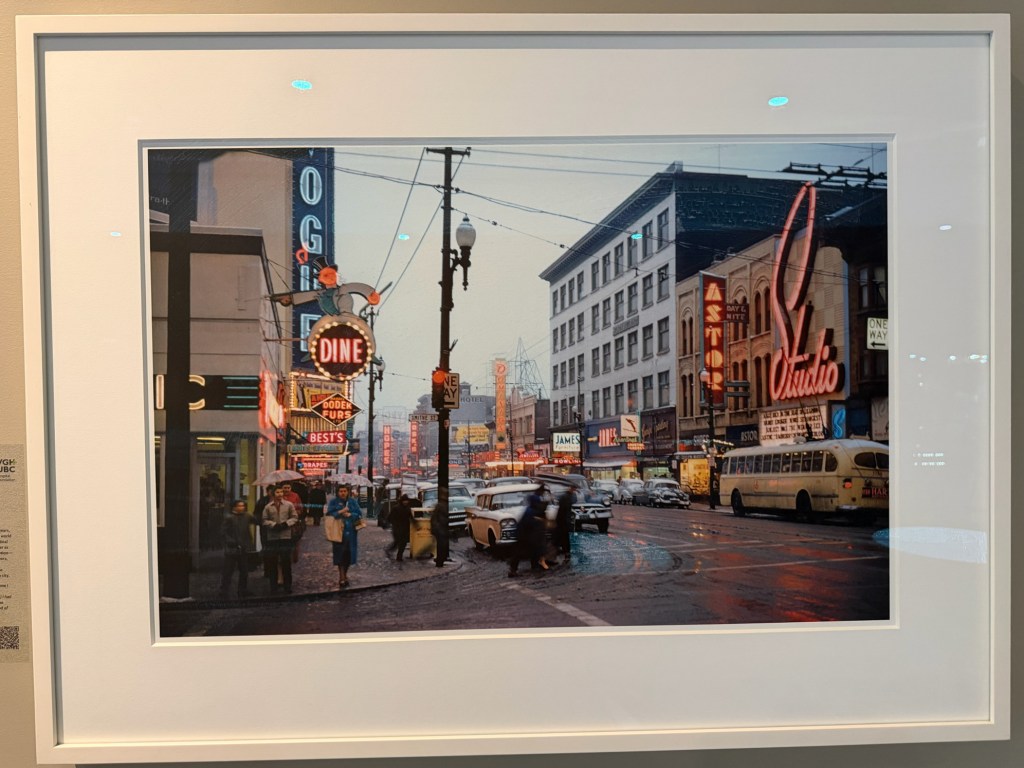
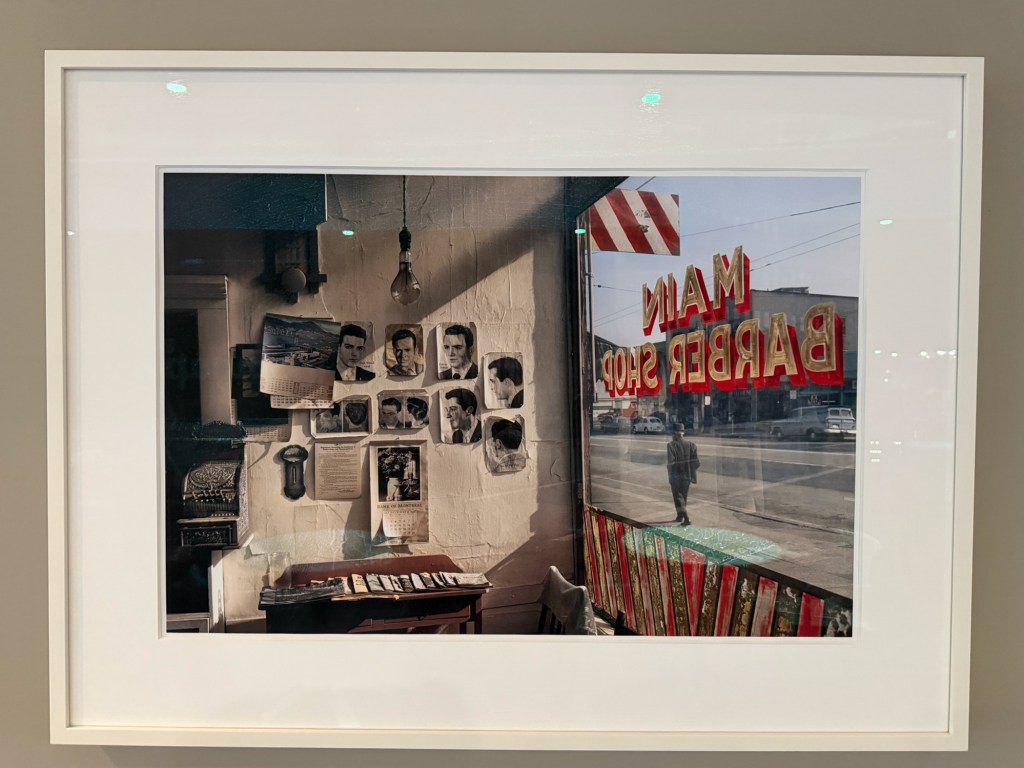
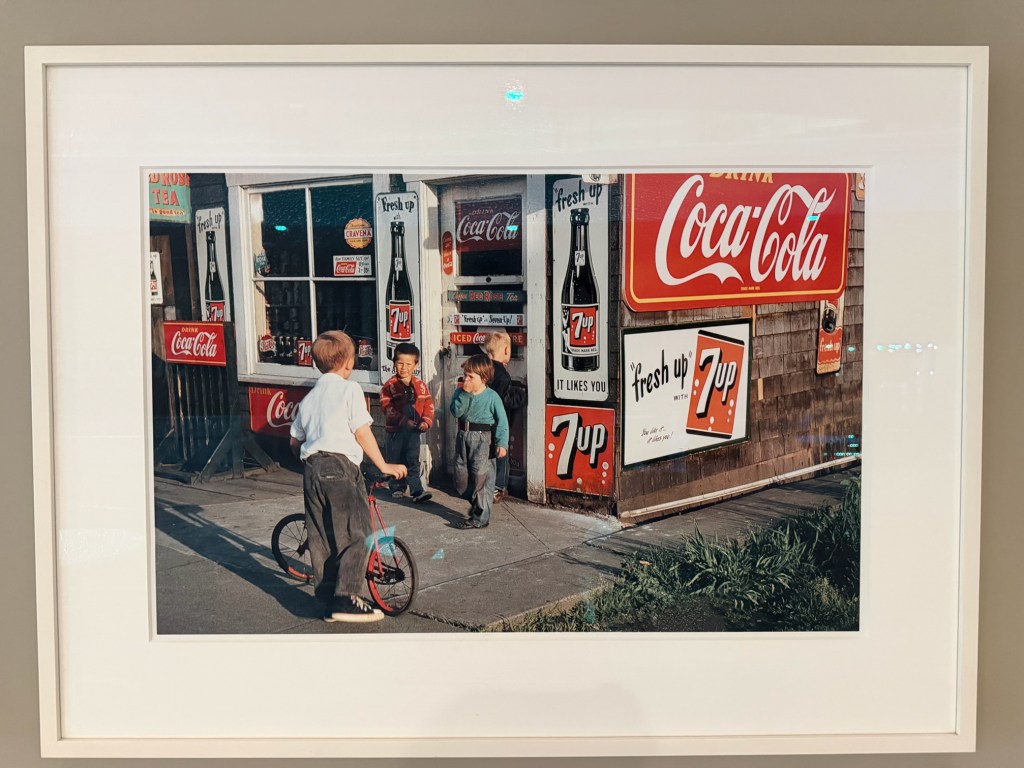
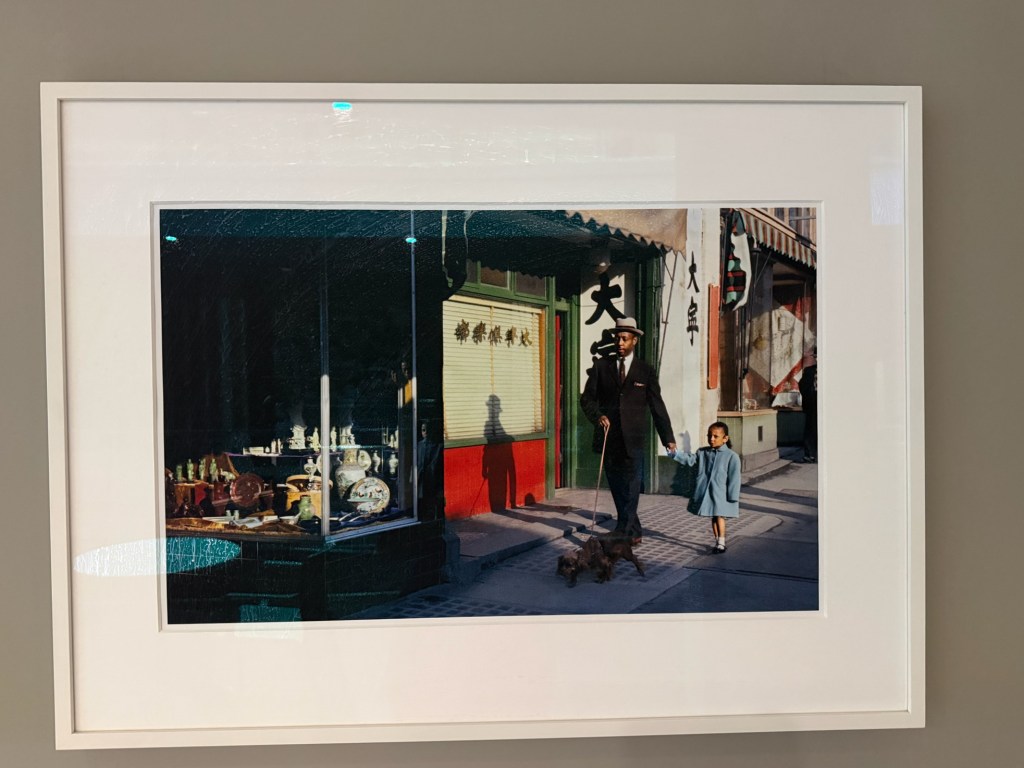
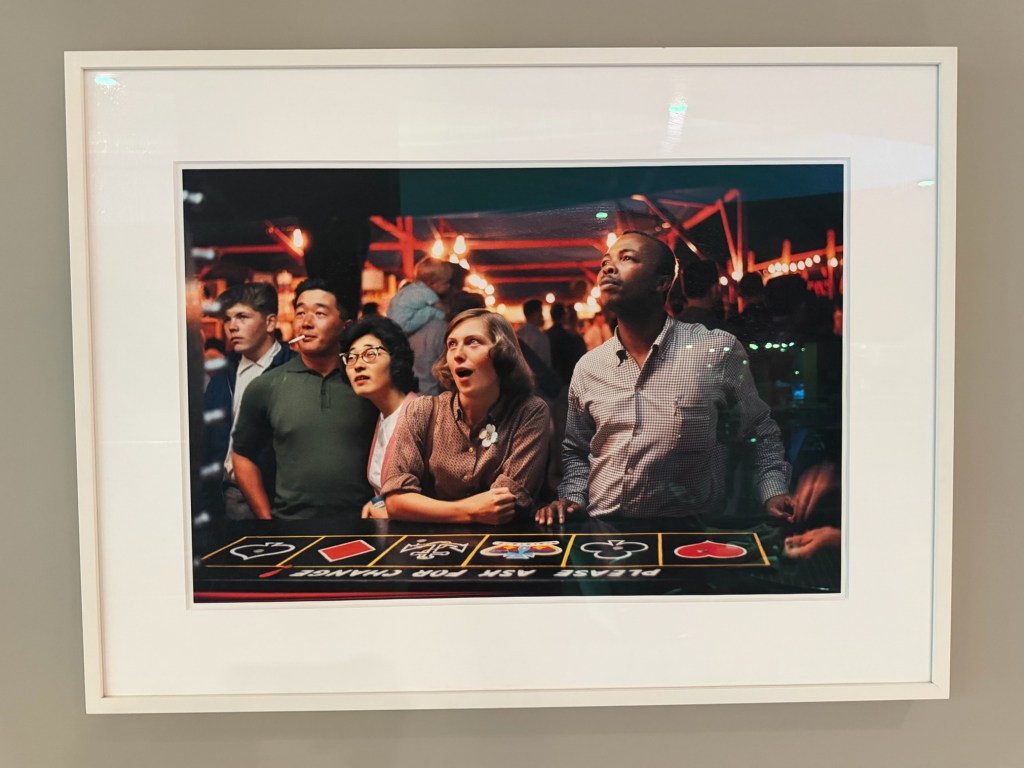
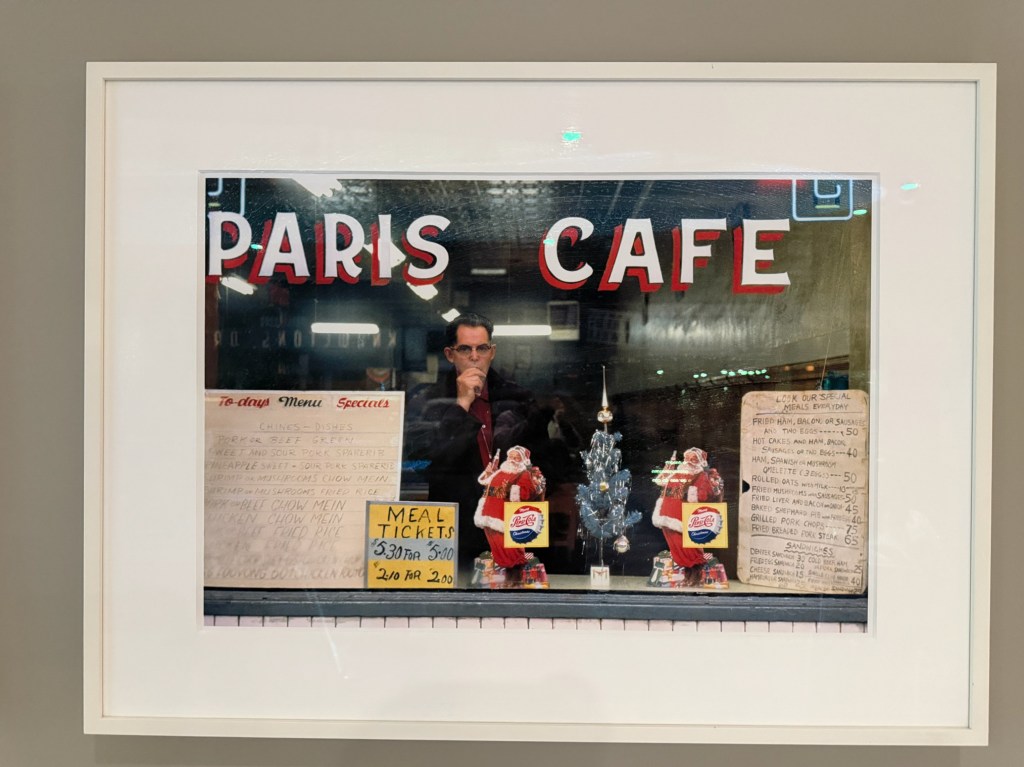
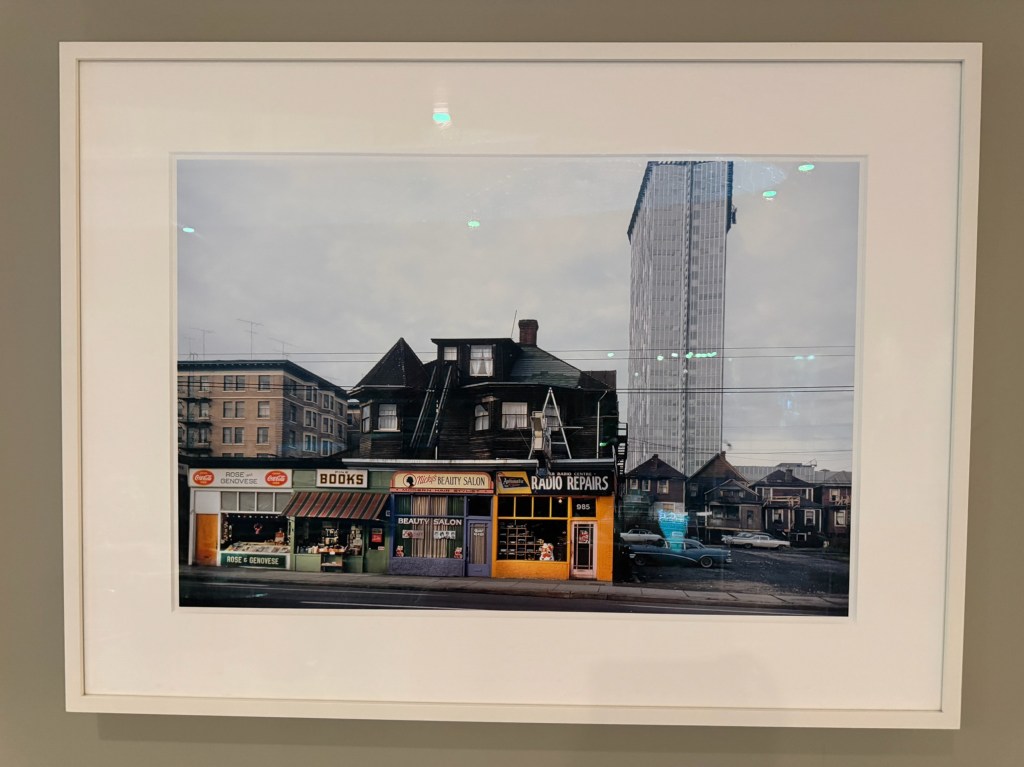
These images, together with a walk-around video clip (below), were made by Jennifer Nixon.
Moments in Herzog’s life story
Herzog left his native Germany for Canada in 1952. Following a short stay in Montreal and Toronto (where he used a darkroom and learned some medical photography techniques from a friend), he moved to Vancouver in 1953. While working for the Canadian Pacific Railway Shipping line, he explored British Columbia on a motorcycle with his camera. In 1957, he began working as a medical photographer at St Paul’s Hospital. His photographic hobby drew him into the streets of downtown Eastside, Chinatown, and other parts of the city. His career progressed to becoming Associate Director of the Department of Biomedical Medical Communications at the University of British Columbia (UBC) in 1970. He also taught photography from 1968 to 1974 in the art departments at Simon Fraser University and UBC.
According to the Fred Herzog CV published by Equinox Gallery, his first public exhibition, Vancouver Between the Eyes, opened in 1967 at the Vancouver Art Gallery. David Campany (2016) says this was in 1968, alongside work by Robbert Flick and Jack Dale in Extensions at the UBC Fine Arts Gallery. Fred Herzog’s work continues to be featured in exhibitions worldwide. These showcase his colourful, insightful visions of Vancouver’s people, shops, and streets, matching the classy work of Saul Leiter and Ernst Haas in New York and William Eggleston in Tennessee and Mississippi, USA.
From prints to slides
Herzog’s photography continued with a new Leica camera, moving from black and white to colour images of Hastings, Granville, Robson, and other streets; the insides and outsides of shops; neon signs; and working-class people going about their lives.
He developed and printed his own black-and-white work in his darkroom. There are many fine examples from in and around Vancouver as well as from Mexico. His monochrome images from pool halls are particularly striking (Black and White, 2022).
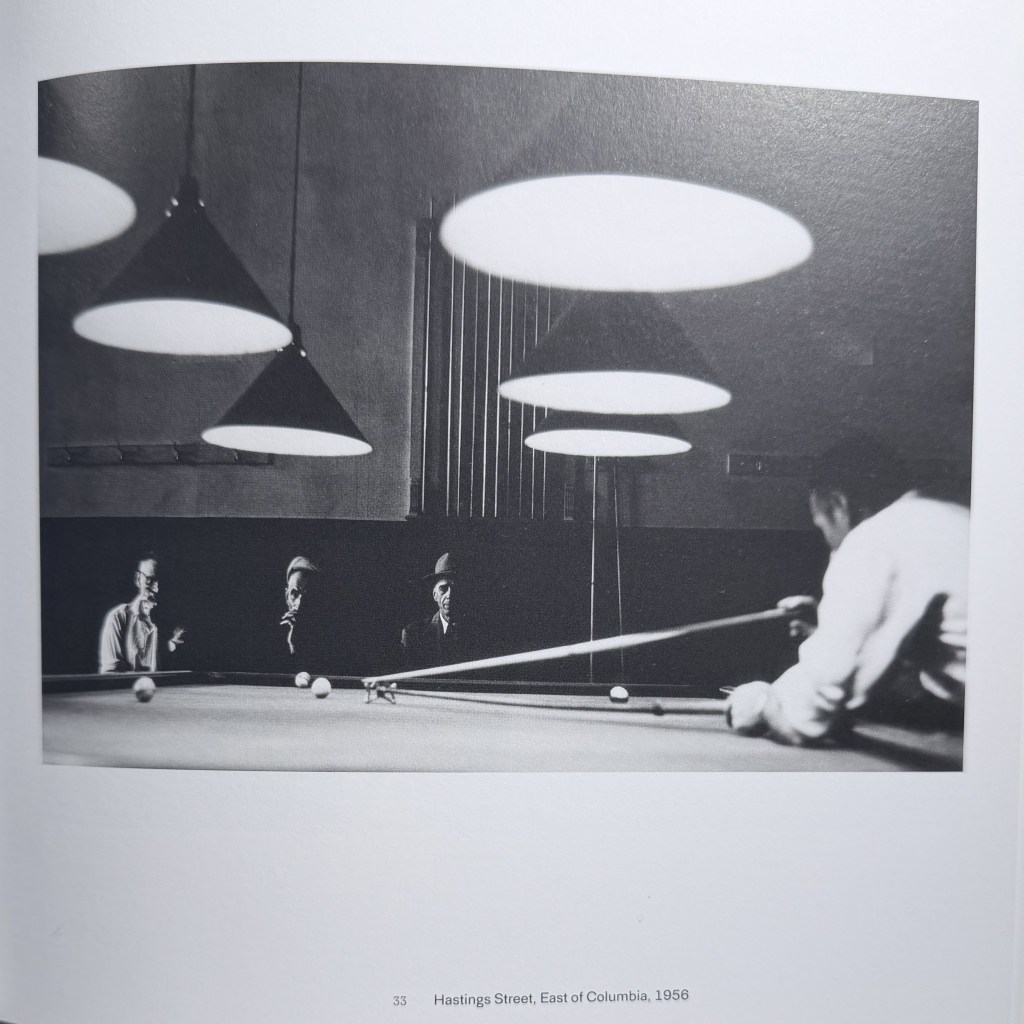
Hastings Street, East of Columbia, 1956. © Fred Herzog
Herzog’s progression from black and white to colour photography is notable as it came at a time when monochrome was widely regarded as the “serious” choice for documentary and art photography.
Fred Herzog (2005)
Colour was to be used only for pretty sights. Everything else raised eyebrows.
In 2005, he reflected, “Just as we know that liberty and fresh caught salmon are good, we knew then that colour was to be used only for pretty sights. Landscapes, swans, flowers, sunsets, gnarled trees and burning candles were okay. Everything else raised eyebrows.” (Herzog, 2005).
Perhaps it was the time and effort it took to develop his black-and-white images, while juggling family and work commitments, that led Herzog to use Kodachrome colour slide film. He could send off his film rolls for processing and get back yellow boxes of 36 mounted slides the following week or so. All he needed was a projector to see and share his work. Maybe it was the popping, opulent reds, blues, and greens set against grey, ground-misted streets that caught his attention, as it does for contemporary admirers. I especially love his use of red!
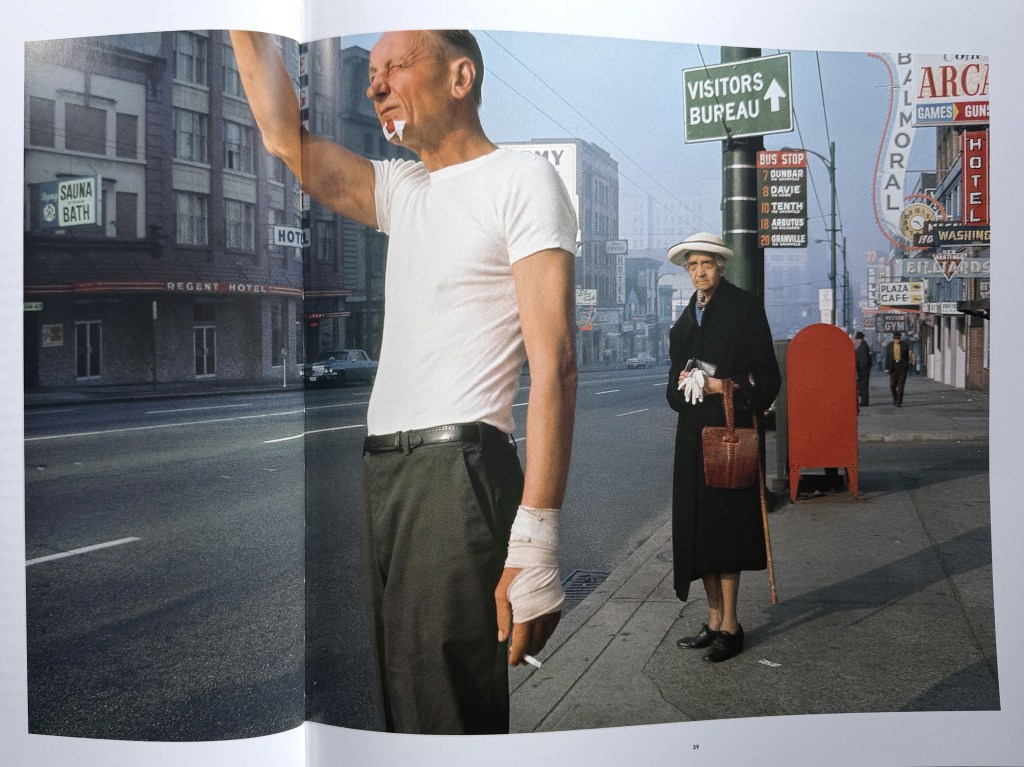
Man with Bandage, 1968. © Fred Herzog
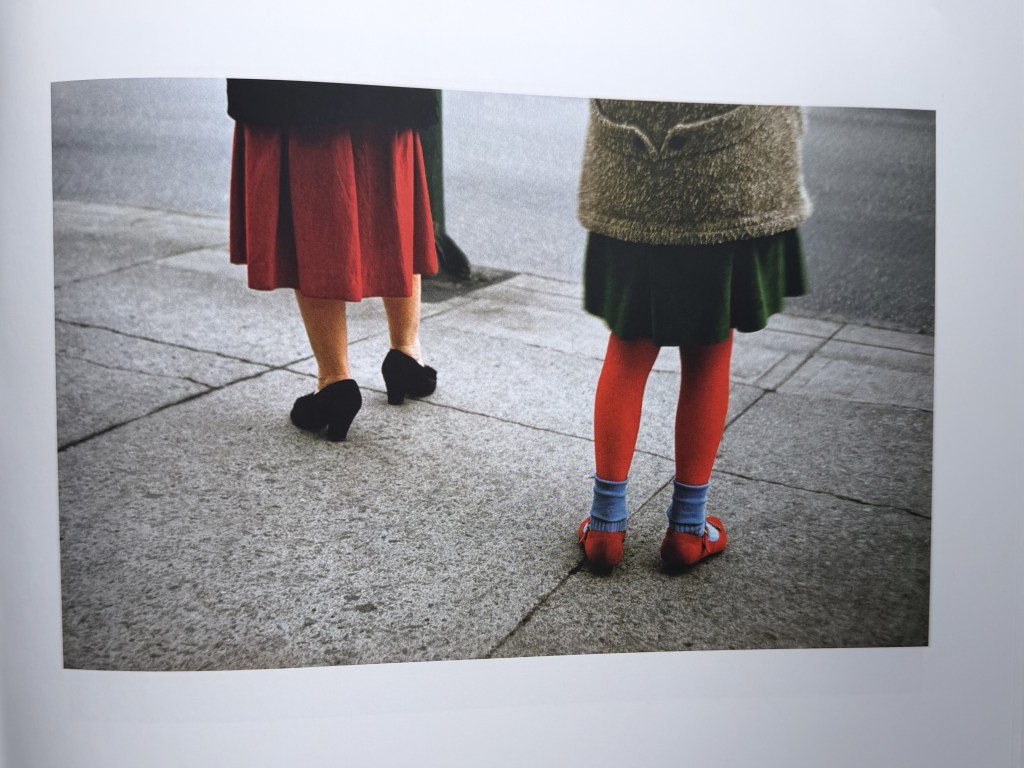
Red Stockings, 1961. © Fred Herzog
Either way, using colour slide film became Herzog’s way of doing photography, and he did lots: he regularly shot two films per week (Campany, 2016), amassing over 100,000 slides in his active street photography career spanning twenty-nine years (1961-1990). His work in Vancouver lives on and influences many documentary photographers around the world.
References
Campany, D. (2016). Of Time and Place. In: Fred Herzog: Modern Color (Hatje Cantz). Retrieved on 2026-10-19 from: https://davidcampany.com/fred-herzog-of-time-and-place/
Equinox Gallery, Vancouver https://www.equinoxgallery.com/our-artists/fred-herzog/
Herzog, F. (1956). Hastings Street, East of Columbia, 1956 [Photograph]. In: Herzog, F. (2022). Black and White. Hatje Cantz Verlag, Berlin.
Herzog, F. (1961). Red Stockings, 1961 [Photograph]. In: Herzog, F. (2016). Modern Color. Hatje Cantz Verlag, Berlin.
Herzog, F. (1968). Man with Bandage, 1968 [Photograph]. In: Herzog, F. (2016). Modern Color. Hatje Cantz Verlag, Berlin.
Herzog, F. (2005). Exploring Vancouver in the Fifties and Sixties. West Coast Line 39, no. 2, p. 160-161. Cited by David Campany, 2016)
Herzog, F. (2016). Modern Color. Hatje Cantz Verlag, Berlin.
Herzog, F. (2022). Black and White. Hatje Cantz Verlag, Berlin.


0 comments on “An Appointment with Fred Herzog”