

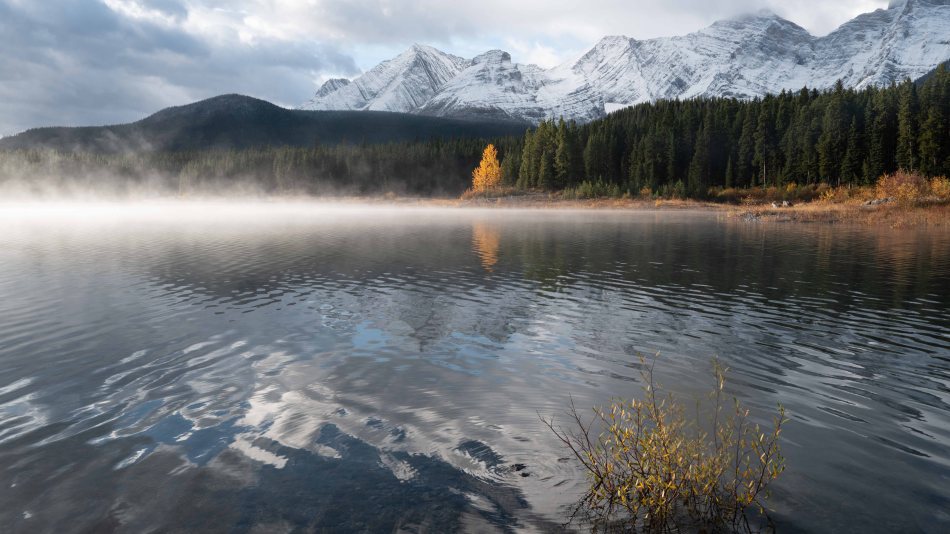
I was in this same place three years ago, photographing the same tree. The place is Lower Kananaskis Lake; the tree, a Balsam poplar, Populus balsamifera. It’s a somewhat overlooked species in the popular lookout for larch trees painting the Canadian Rockies yellow and gold in autumn.
Number 3: The Larch
The larch family includes three native species in Alberta. Subalpine larch, also known as Lyall’s larch, Larix lyallii, grows on the higher slopes. Tamarack larch, Larix laricina, is found lower down and in wetter areas. In between, Western larch, Larix occidentalis, occurs, although it is less common.
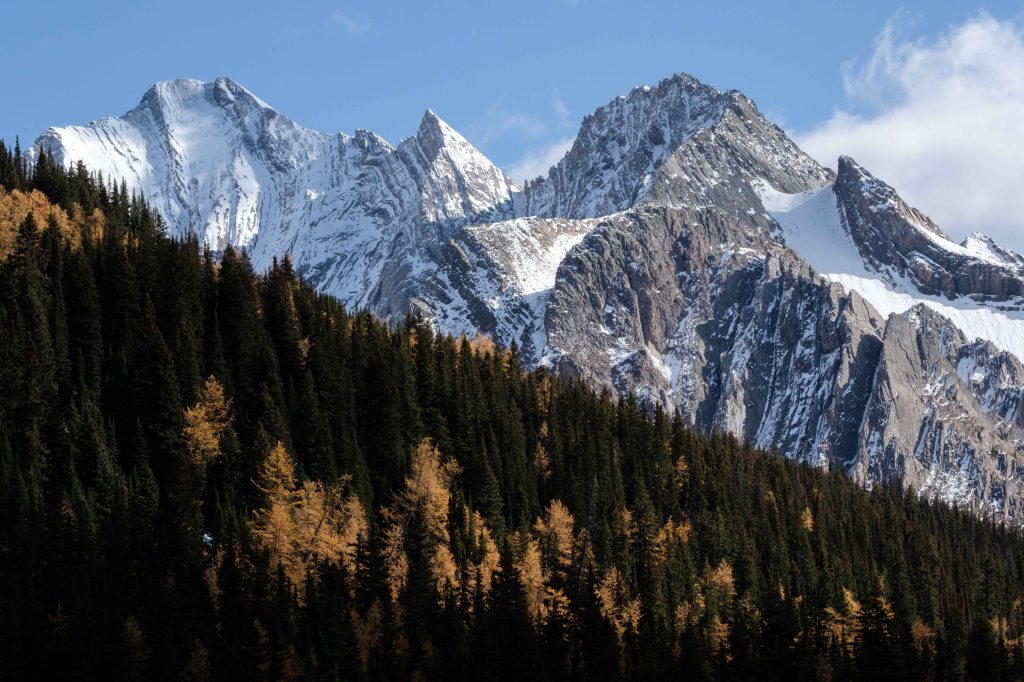
The larch is notable as a specimen of surreal humour, as seen in Episode 3 of Monty Python’s Flying Circus (My Dad would keep me up on a Sunday night to see the television broadcasts; the following morning my friends and I would recite many of their cherished script lines in and around our maths class). The tree appears in a slide-show lecture with the voice of John Cleese, entitled “How to recognize different types of trees from quite a long way away.”
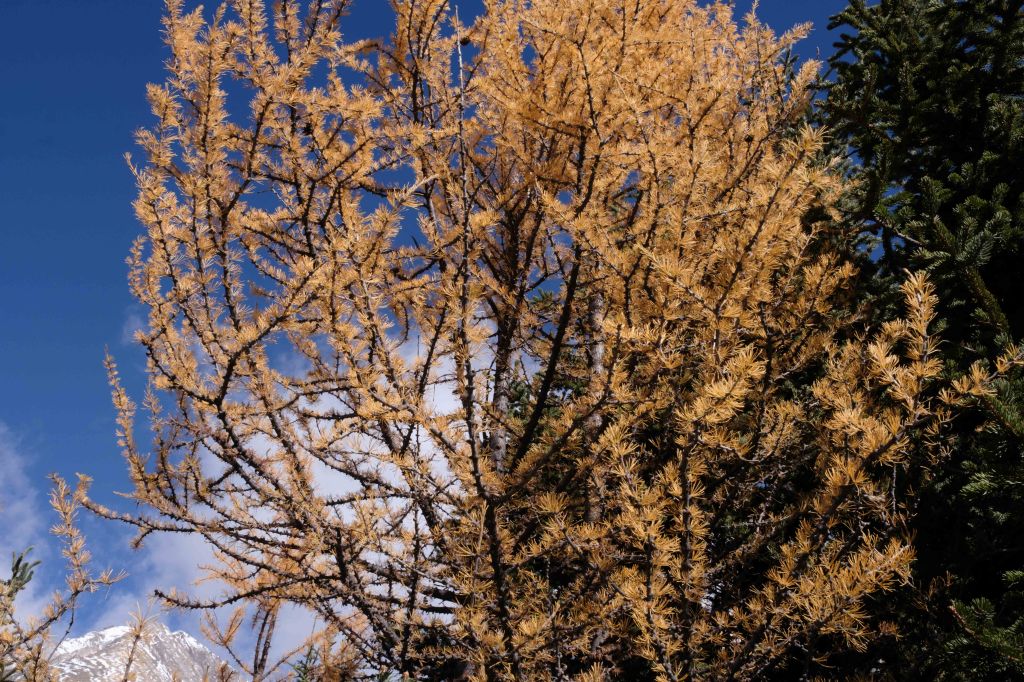
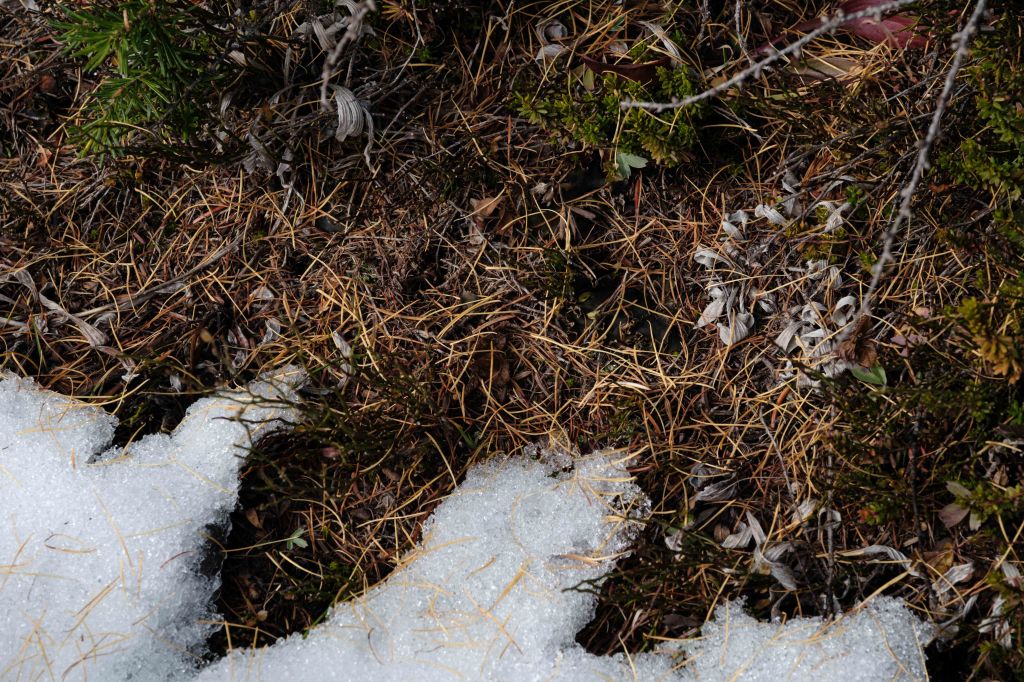
More serious ecologists, a rare breed themselves, recognize larches as deciduous conifers; they shed their needles to conserve resources and protect themselves during winter. The colour change comes about when shorter, cooler days trigger a shutdown in chlorophyll production. Nutrients are absorbed back into the roots and branches, and the leaves drop.
Senescence
The leaf drop, or senescence, in the Balsam poplar follows the same principles of protective plant physiology. The species is part of the Willow (Salicaceae) family, which includes the beautiful Trembling aspen, Populus tremuloides, found more extensively in the foothills and into the slopes of the Rockies. Tree-twitchers can distinguish these two poplar species by their sound! Trembling aspen gets its wonderfully quaking acoustic notes from its flattened petioles, or leaf stalks, which rattle in the wind. The Balsam poplar has rounded petioles that move in relative silence.
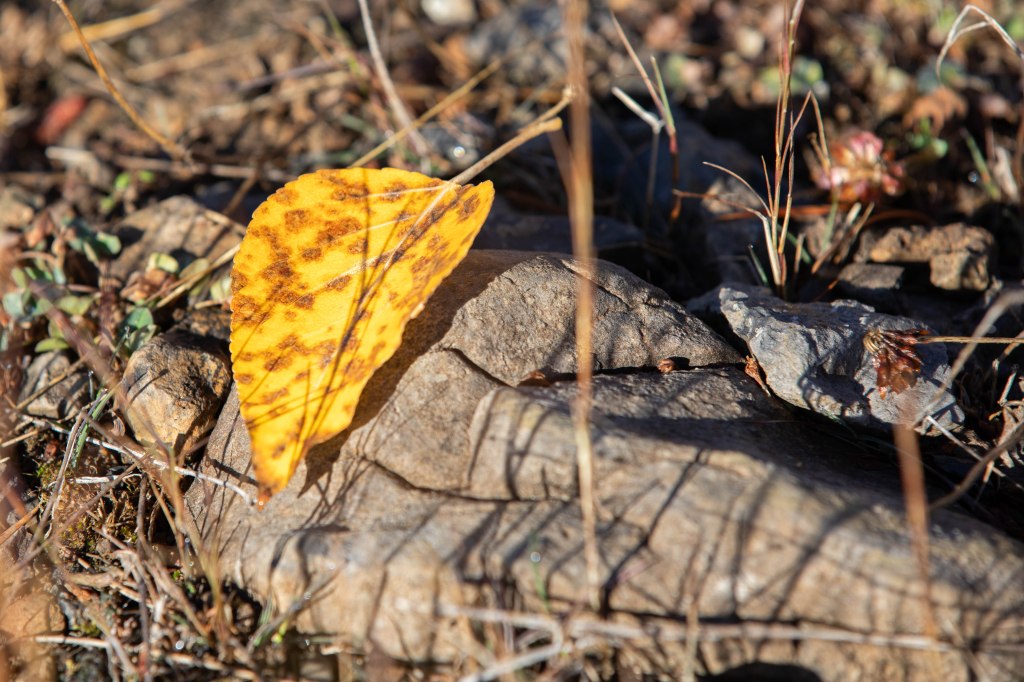
Psithurism: The sound of Aspen
Sadly, our doggy, Aspen the Airedale, is no longer with us, but her spirit lives on every time I see or hear the tree she was named after. Here’s an aspen woodland sound bite of psithurism recorded in Big Hill Springs.
Soothing Balsam
Like other members of the Willow family, the Balsam poplar contains salicin in its bark. When ingested, it is metabolically converted in the intestinal tract, liver, and blood into salicylic acid, the active ingredient in aspirin. Extracts have long been used for their anti-inflammatory properties to ease joint pain and sore muscles. Balm of Gilead is made from the sticky buds of the Balsam poplar.
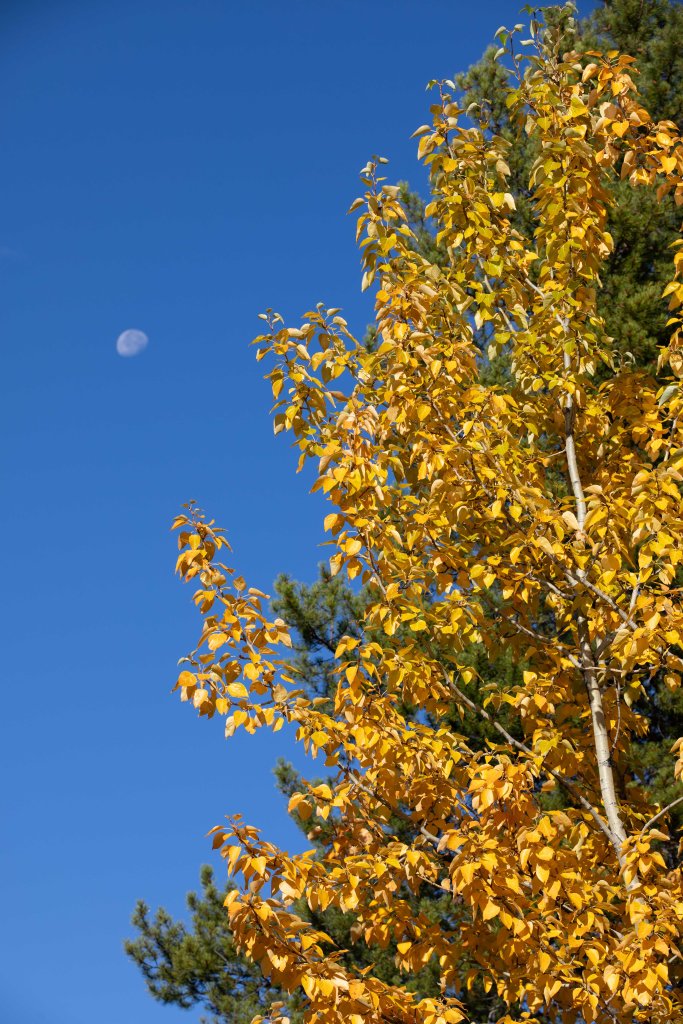
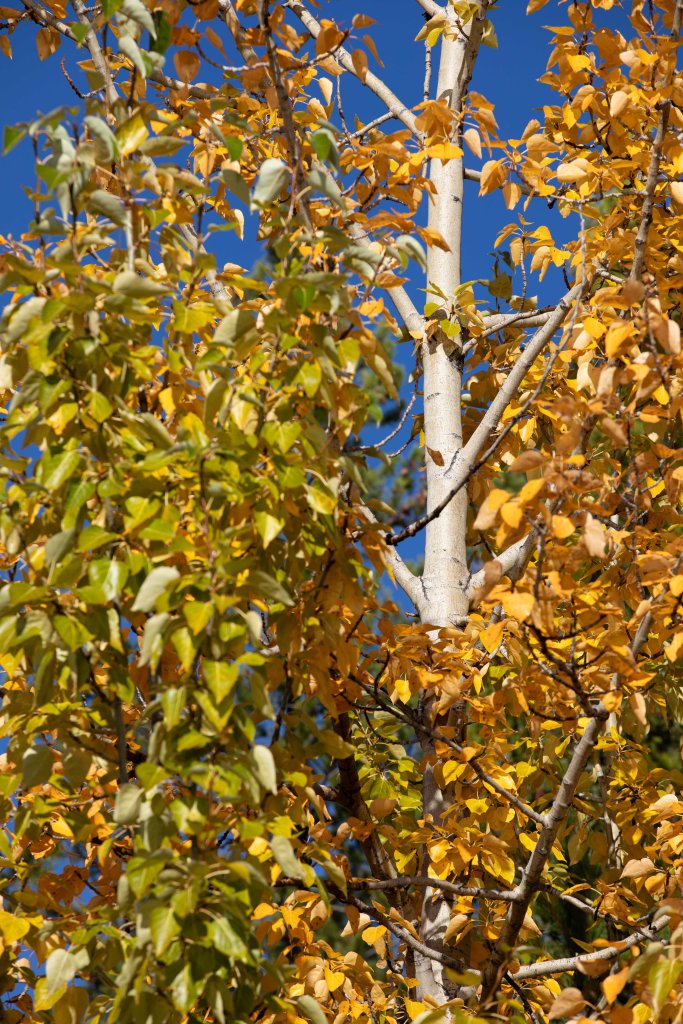
Honey bees gather the extract to make Propolis which protects, insulates, and medicates their hives. This derived natural product from the tree has a range of anti-inflammatory, antioxidant, and antimicrobial properties.
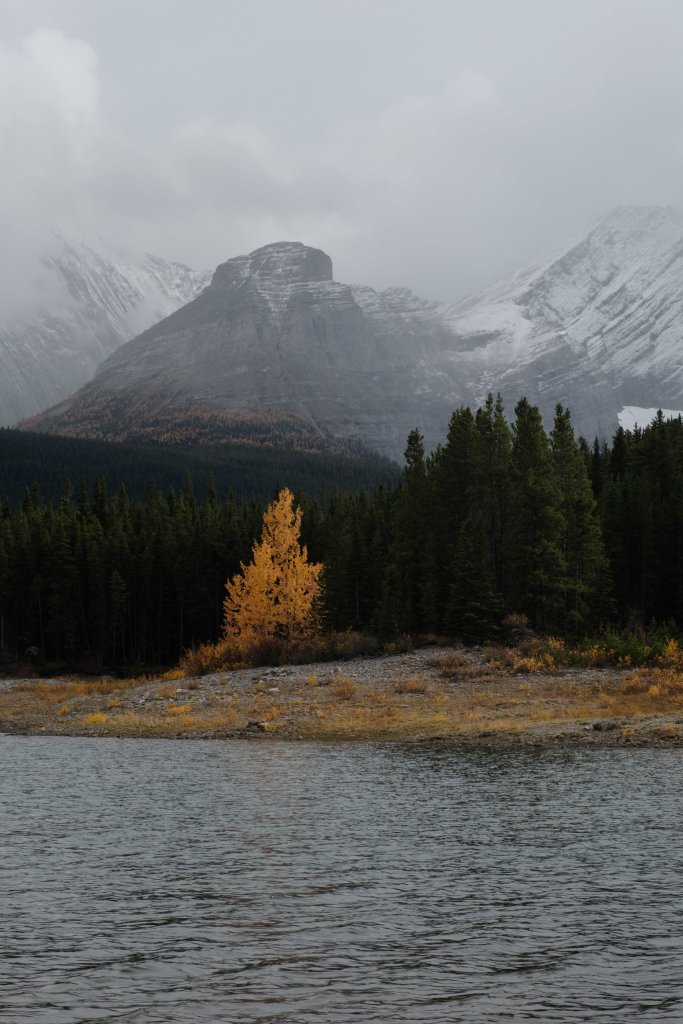
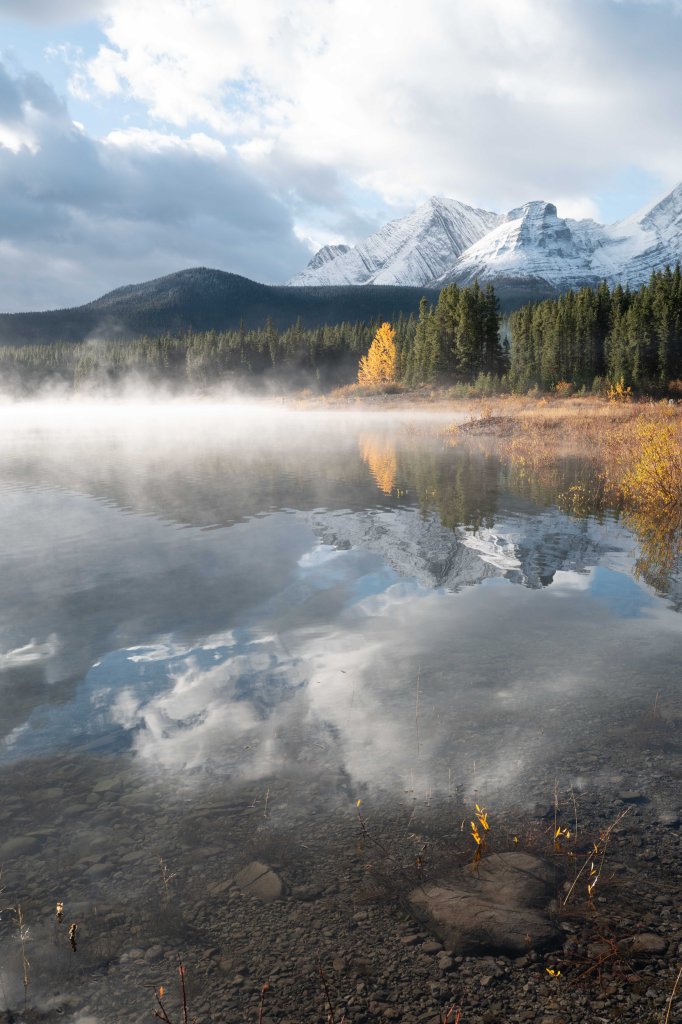
I hope that you can find some soothing in these photographs of a beautiful healing tree, the Balsam poplar. Thank you for reading.


Pingback: Four Photos from: September – NixonScan