

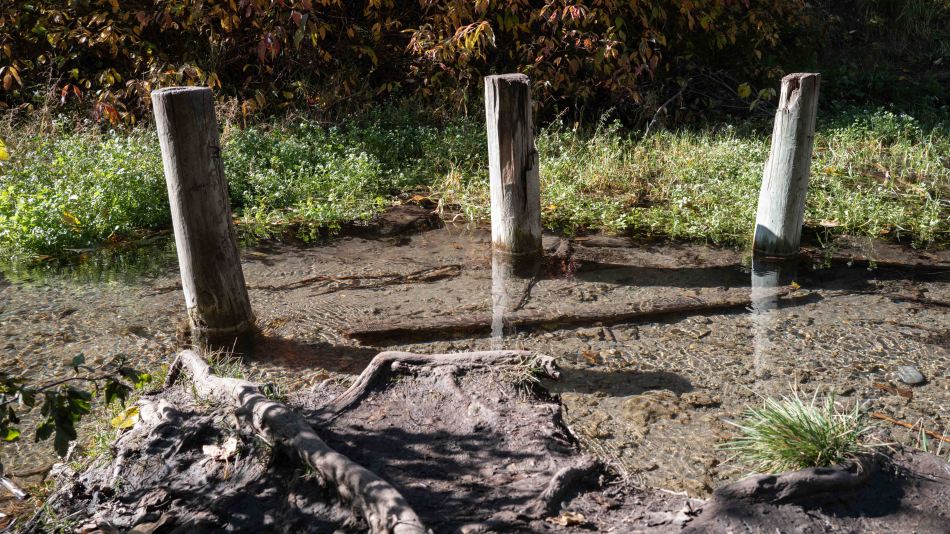
I celebrated the first day of autumn in spring.
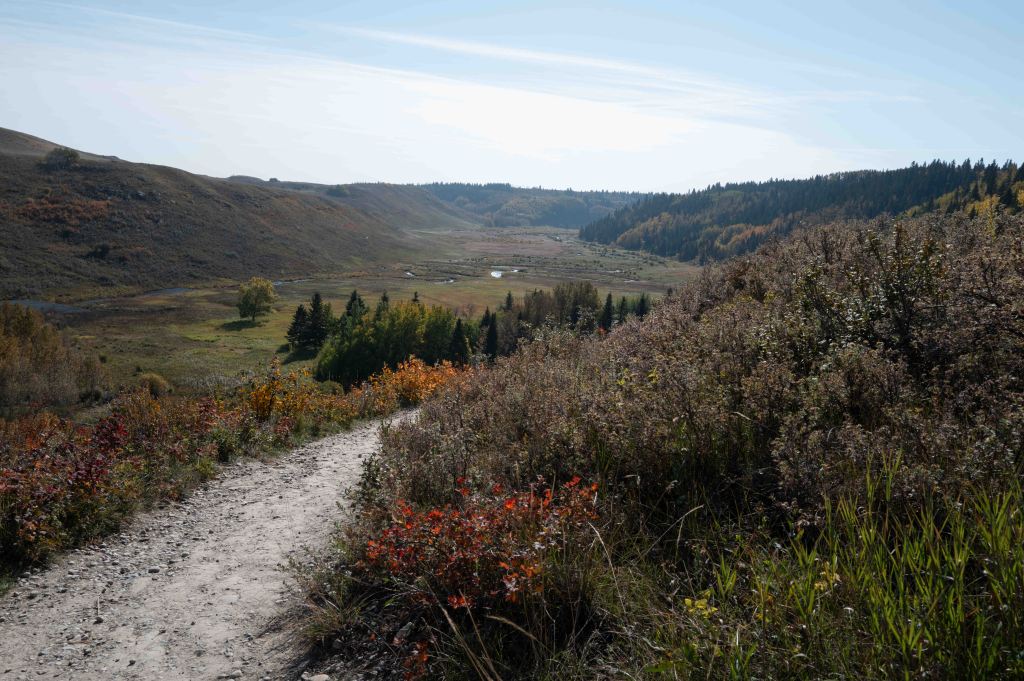
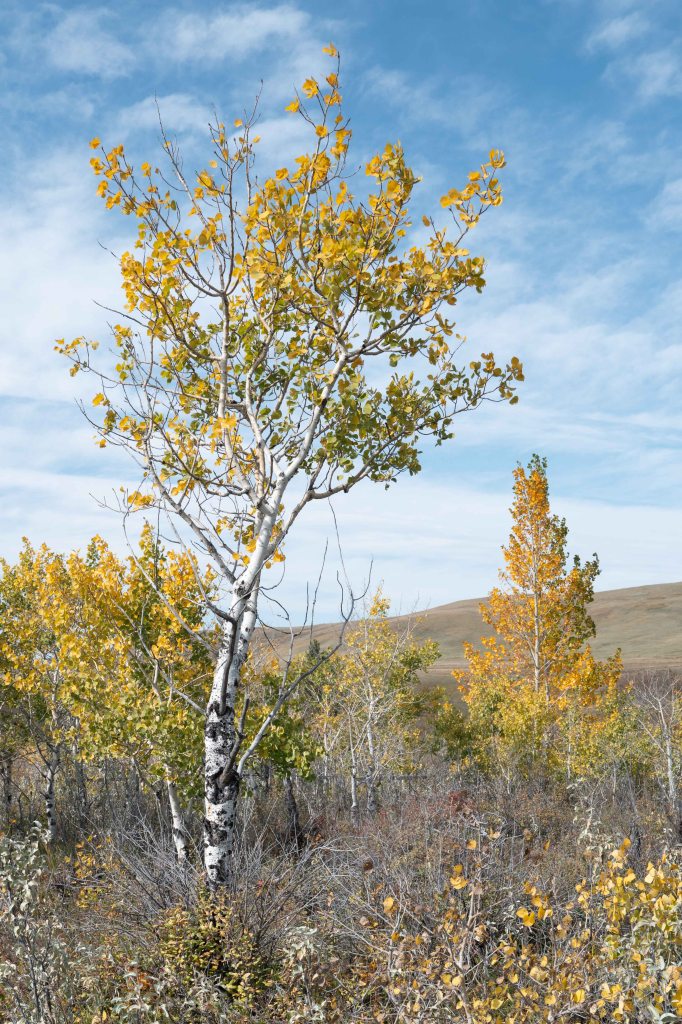
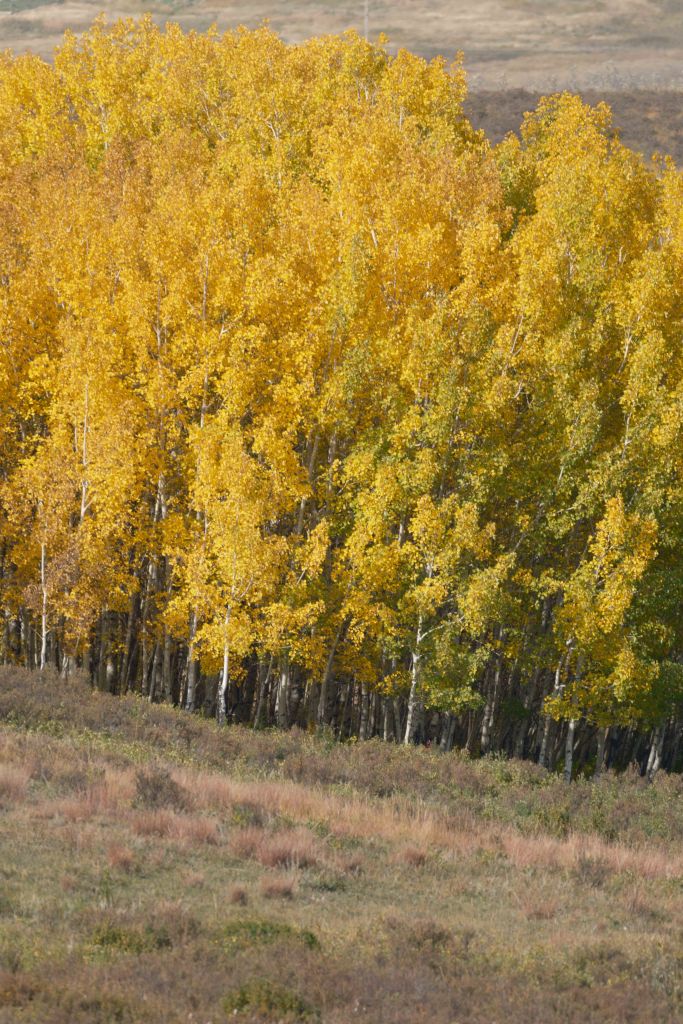
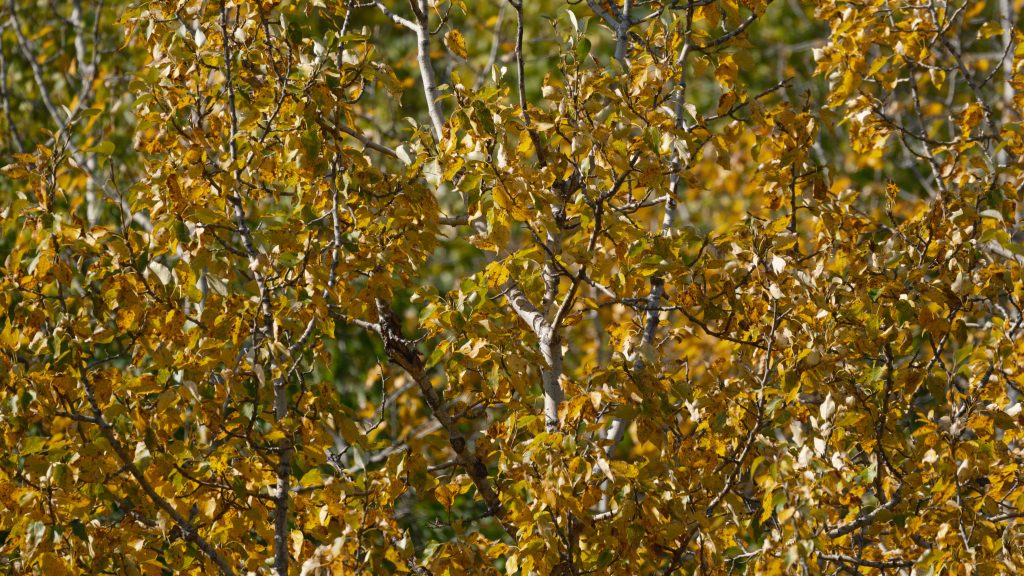
There’s a paradox here that needs a bit of explanation. It was a spring. After trying (unsuccessfully) to photograph moose, I went to Big Hill Springs Provincial Park for the September Equinox. It’s a gem of a place in Rocky View County, northwest of Calgary, notable for its colourful aspen woodland scenery, Indigenous cultural connections, and amazing water chemistry and geology.
Coulee
Big Spring Coulee was traditionally used by the Blackfoot and Cree First Nations. Its valley provided shelter for a camping ground. The steep sandstone cliff sides served as a buffalo jump, similar to the UNESCO World Heritage site Head-Smashed-In Buffalo Jump, which I featured in my book World Heritage, Environmental Change. The wetlands of Big Hill Creek do attract moose, but there were none around on this visit.
Tufa
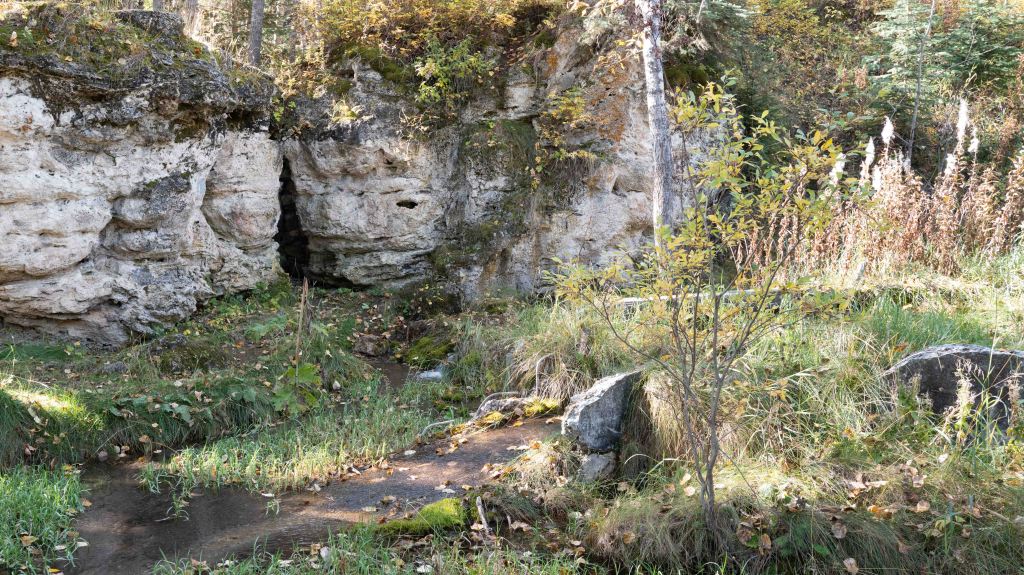
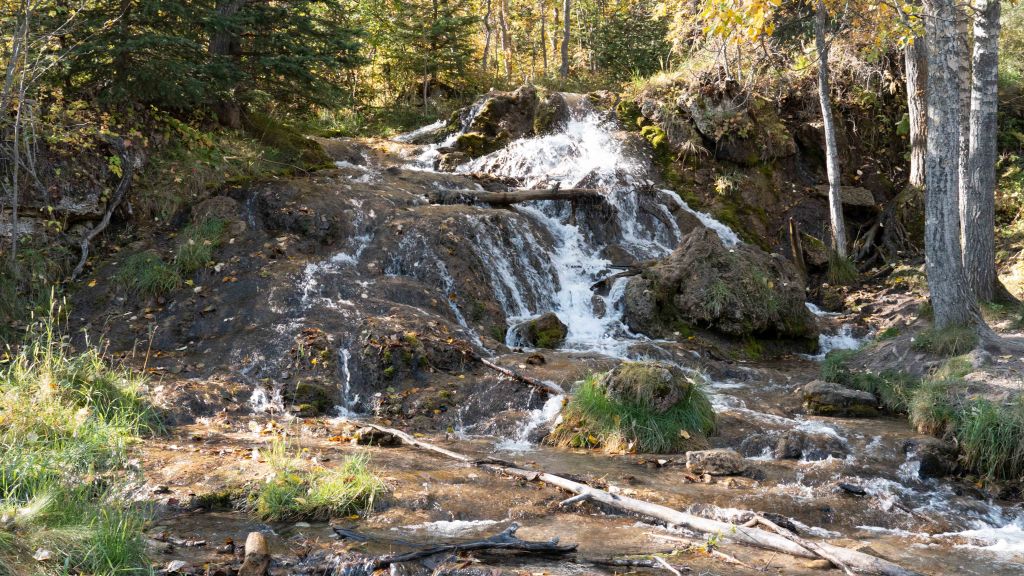
Big Hill Springs Creek comes up from an underground aquifer within calcareous sandstone and flows down a drop of about 50 m through a series of dainty waterfalls into the wetlands of Big Hill Creek. The water comes out under pressure from calcareous sandstone and is heavily saturated with calcium carbonate. When it reaches the surface, it cools down. Carbon dioxide is released, causing an increase in pH and the precipitation of calcium carbonate. The product is a soft and porous limestone rock formation known as Tufa. This has been forming continuously in the waterfalls, pools and along the creek’s edges for thousands of years. They are still growing today, coating the surfaces of existing rock and vegetation.
Stag
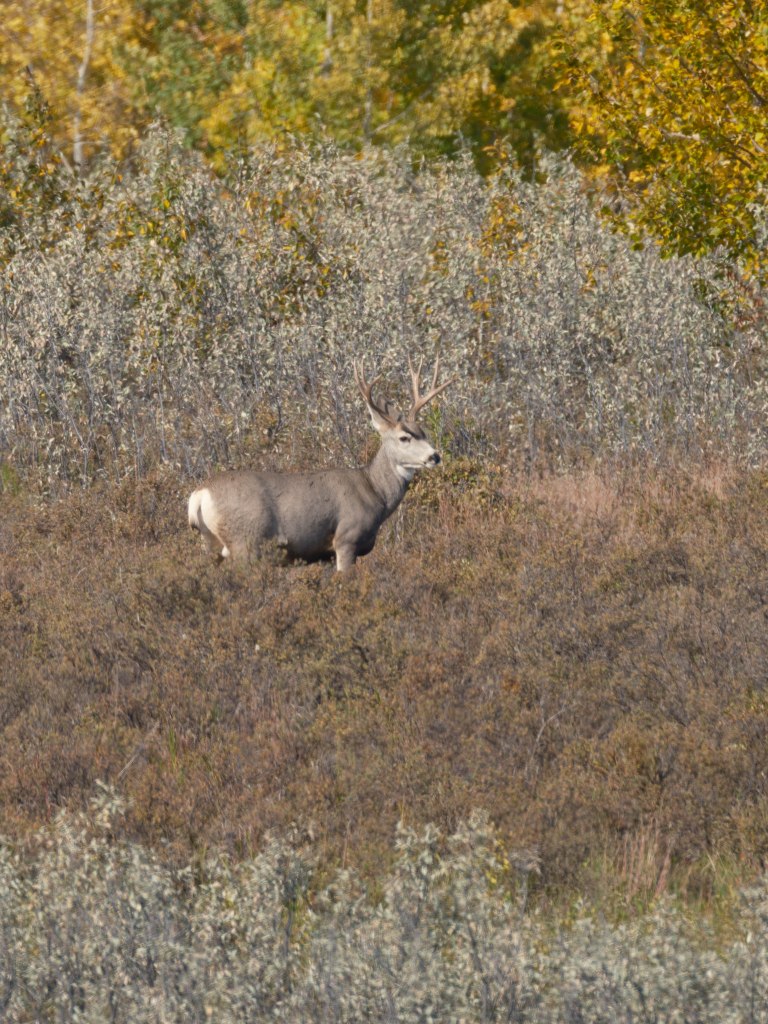
I completed my day with a walk around the splendid Glenbow Ranch, a short drive away from Big Hill Springs, along the Bow River. Still no moose, but I enjoyed some time watching a pair of mule deer amongst the aspen and prairie grassland.


Pingback: The Soothing Tree – NixonScan